

Vinyl flooring has changed significantly over the past decade. Advances in manufacturing, surface design, and rigid core technology mean it now performs far better than many homeowners expect. Yet despite these improvements, vinyl is still often misunderstood – chosen too quickly based on appearance alone or dismissed without proper consideration.
Understanding how modern vinyl works, where it performs best, and what affects its longevity is key to making the right decision for your home.
What Modern Vinyl Flooring Really Is
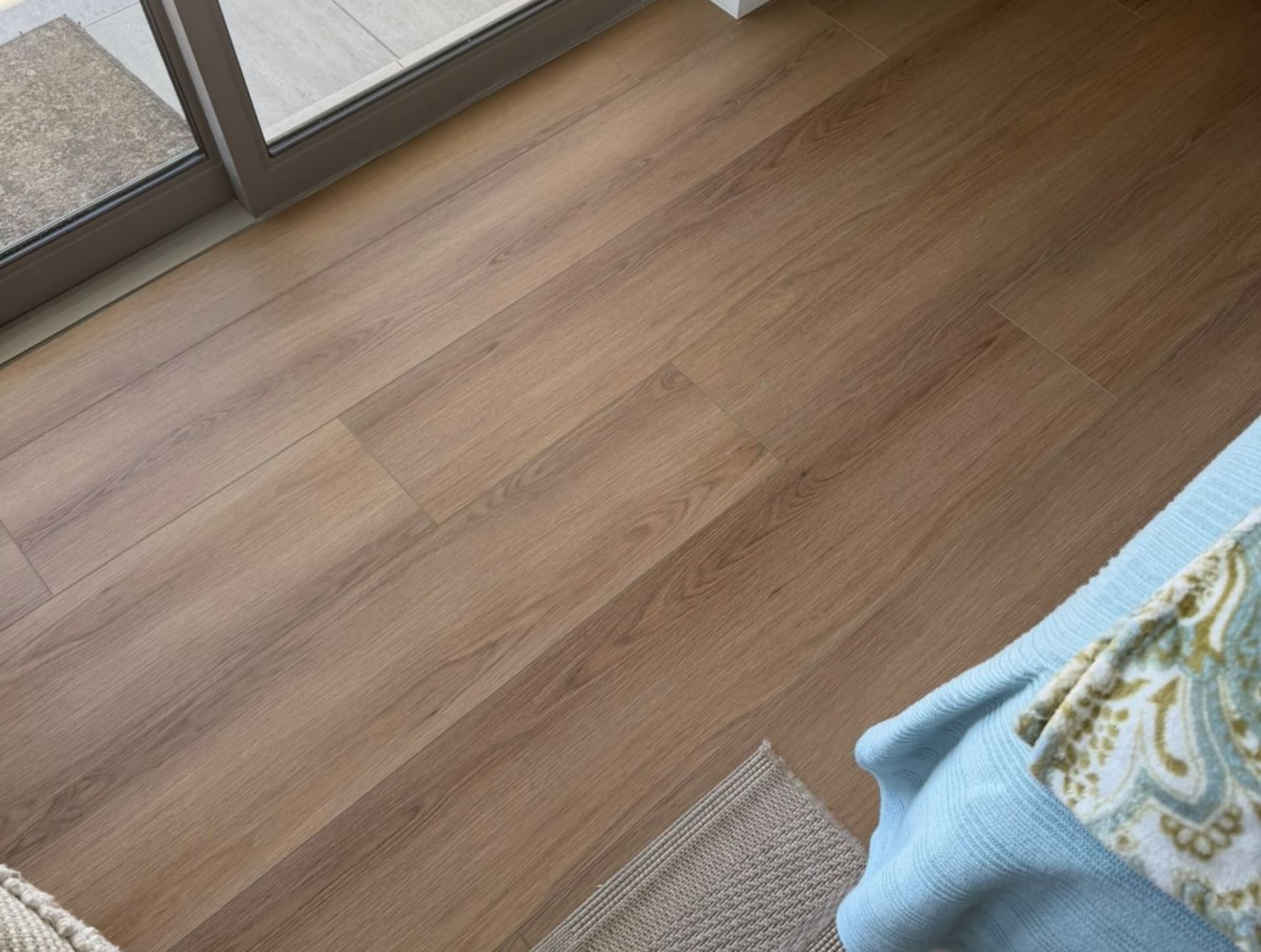
Modern vinyl flooring is a layered, engineered product designed for stability, durability and daily life. High-quality luxury vinyl features realistic timber textures, protective wear layers, and water-resistant cores that handle busy households with ease.
While vinyl does not offer the same natural variation as real timber, it provides a reliable, low-maintenance alternative that suits many residential environments when selected and installed correctly.
Where Vinyl Flooring Works Best in the Home
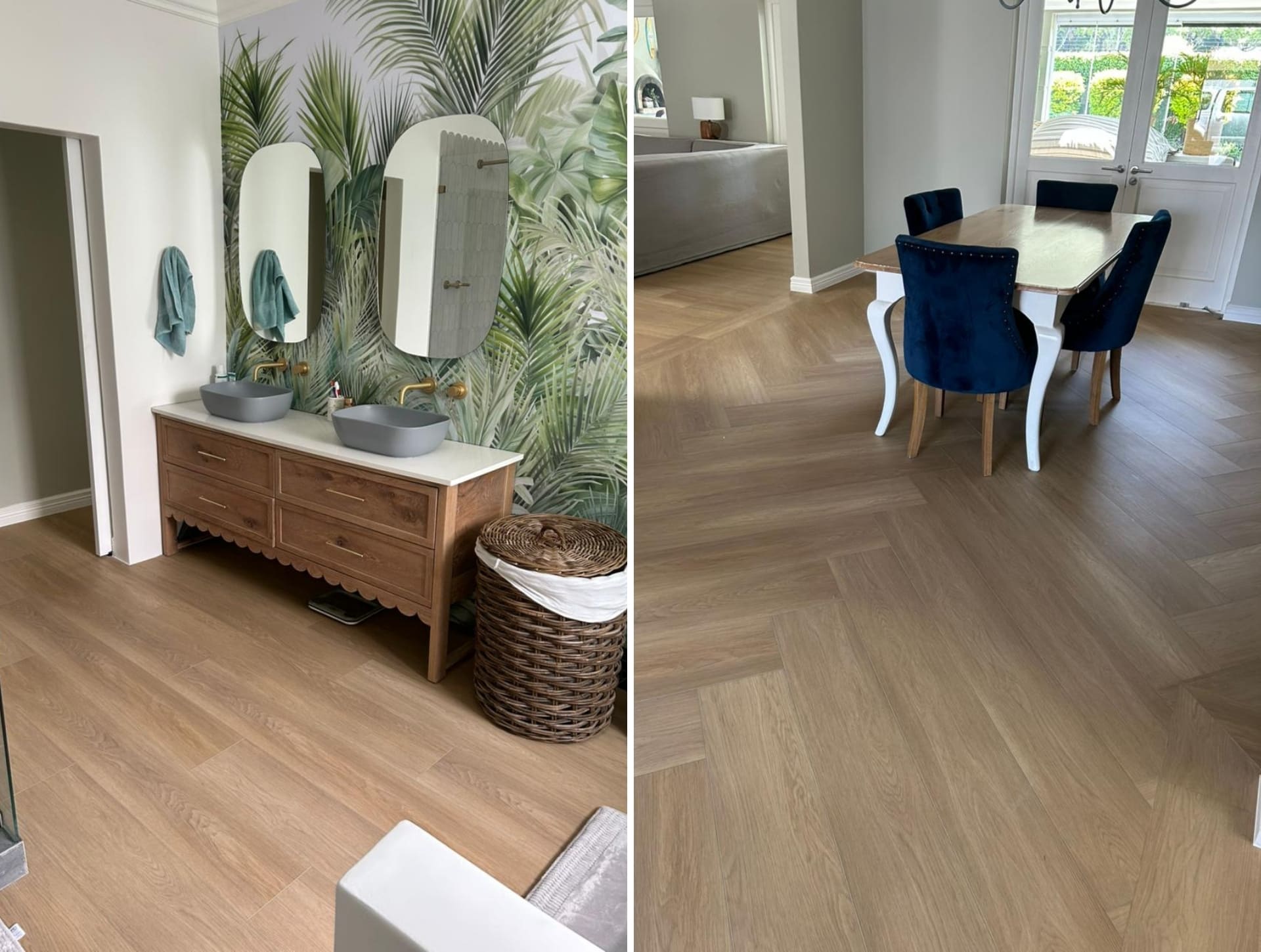
Vinyl flooring performs particularly well in living areas, bedrooms, kitchens, and sculleries – spaces where comfort, appearance, and water resistance need to work together.
Its seamless finish allows for visual continuity across rooms, helping homes feel cohesive and considered. In areas with steady foot traffic and varying moisture levels, vinyl offers dependable long-term performance without excessive upkeep.
Take a look at a previous project spotlight where we transformed a client’s house in Constantia.
Moisture, Subfloors and Installation Matter More Than You Think
One of the most important considerations with vinyl flooring is what happens beneath the surface.
A properly prepared subfloor and correctly installed moisture barrier are essential. Without these elements in place, even high-grade vinyl products are vulnerable to telegraphing, movement, and joint failure – particularly in coastal environments like Cape Town.
The installation method plays a critical role. Subfloor preparation, priming, and alignment accuracy all affect how the floor settles and performs over time.
Common Laminate Flooring Mistakes to Avoid
The most common vinyl flooring issues are rarely caused by the product itself. Instead, they stem from early decisions made without proper guidance.
These include:
-
Choosing vinyl purely based on price or plank thickness
-
Skipping or rushing subfloor preparation
-
Underestimating subfloor moisture and priming
-
Using incorrect installation methods or underlays
Vinyl flooring is not forgiving of subfloor shortcuts – but when installed with care, it performs exactly as intended.
Why Professional Guidance Makes the Difference
Vinyl flooring can be an excellent solution when selected honestly and installed correctly. The key lies in understanding its strengths, limitations and how it fits into the broader context of the home.
At HiDe Flooring, we guide clients through the full process from product selection to subfloor preparation and installation – ensuring every element works together as a complete system.
A considered approach from the start results in floors that look better, perform better and last longer.